
Long strokes, heavy parts, short takt
Battery pack assembly, body transfer and test rigs move heavy parts over long distances and are measured on takt time. The axis has to stay straight over that length, and keep dust out of a pack that cannot afford it.
Where the axis sits
Six places this industry puts a linear axis. The list is short on purpose — if the machine is not here, the constraint section below still applies.
Battery pack assembly
Module and pack handling where a single particle inside the pack is a scrap part.
Body shop transfer
Shuttles and lifts moving welded bodies between stations.
Motor winding and test
Indexing tables and slides for stator winding and end-of-line test.
End-of-line test rigs
Actuators that apply a controlled load and hold it.
Paint line conveyors
Long runs where the rail is exposed to solvent and overspray.
What the axis has to survive
These three decide the build more often than the load rating does.
Travel and sag
Over 4 m the rail joint and the mounting surface decide straightness, not the rail itself.
Payload shock
A body dropped onto a shuttle is a shock load. Carriage size follows the impact, not the static weight.
Dust and solvent
Battery areas need dry running and covers; paint lines need seals that survive solvent.
Components that fit
Pulled live from the product centre — models this application actually uses.
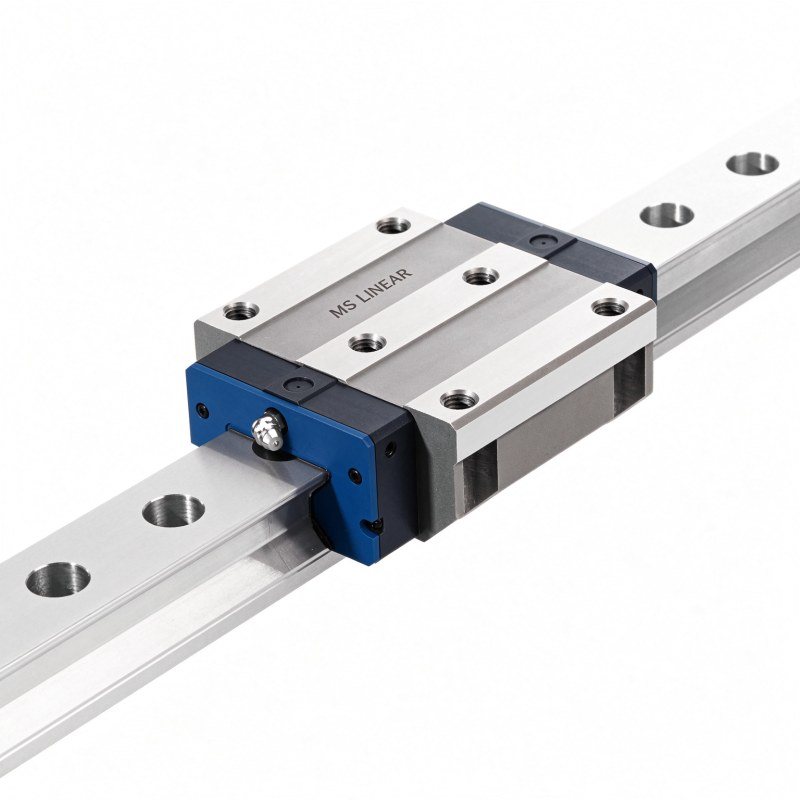
UR Series Ultra-Heavy Load Roller Linear Guideway
Designed specifically for heavy-load and high-precision machining equipment, the UR series…
View model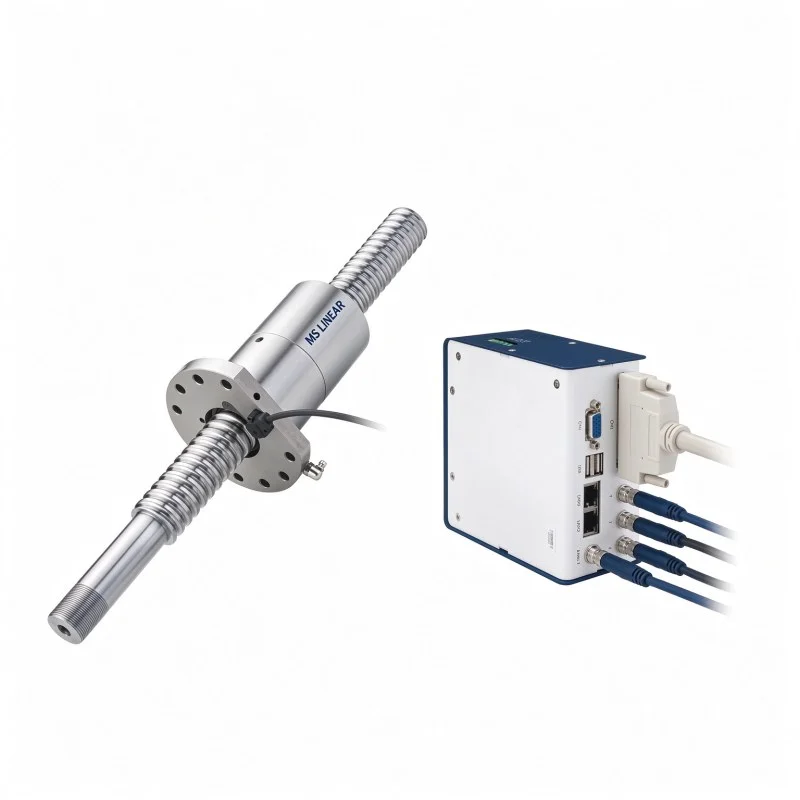
i4.0BS® Intelligent Ball Screw
The ball screw is equipped with sensors and features vibration alerts, temperature…
View model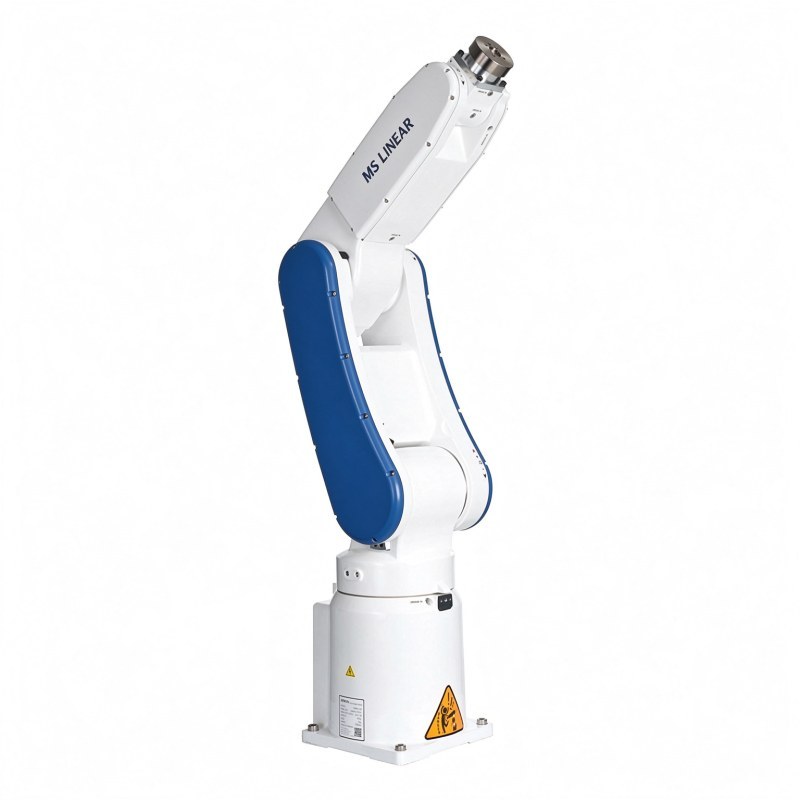
RA605 Series Articulated Robot Arm
It offers six-axis degrees of freedom, high speed, high repeatability and high dust and…
View model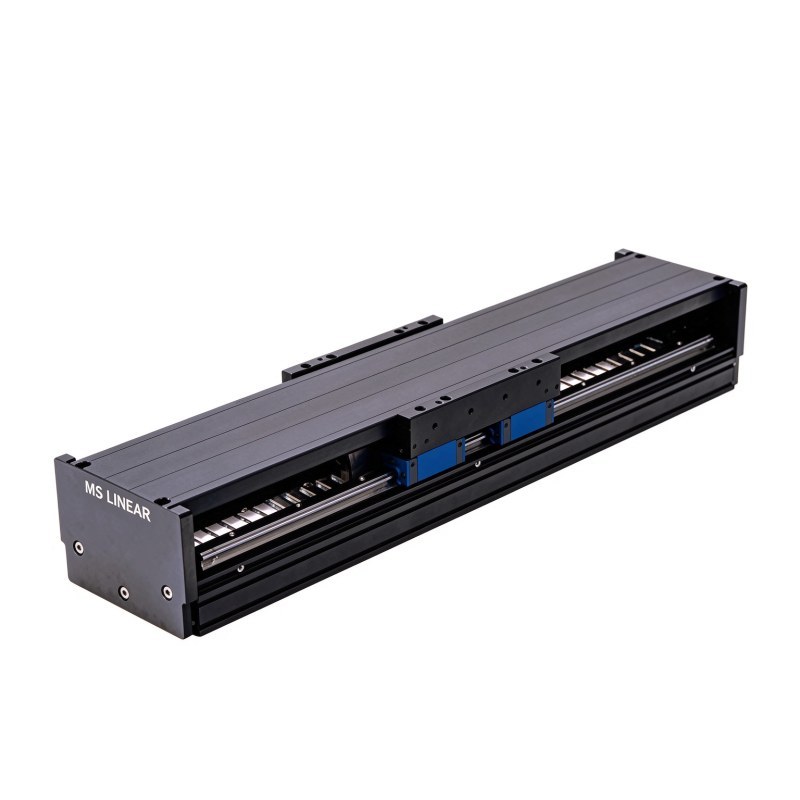
Single-Axis Positioning Stage: Standard
MS Linear standard single-axis stages feature easy installation for fast, precise…
View model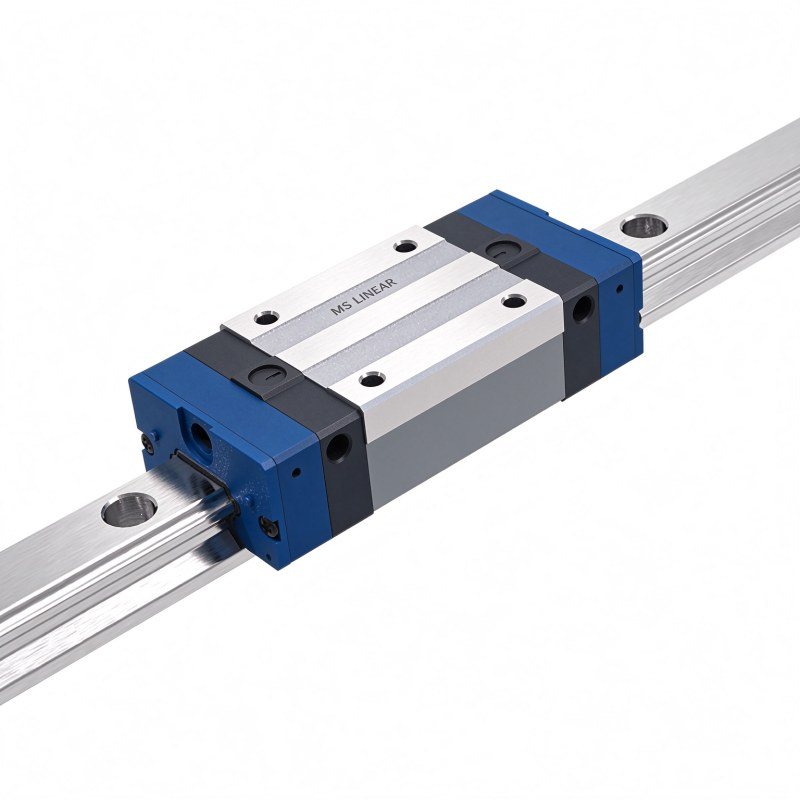
EL Self-Lubricating Linear Guideway
The EL self-lubricating module is specially designed for MG, HG and QH series linear…
View model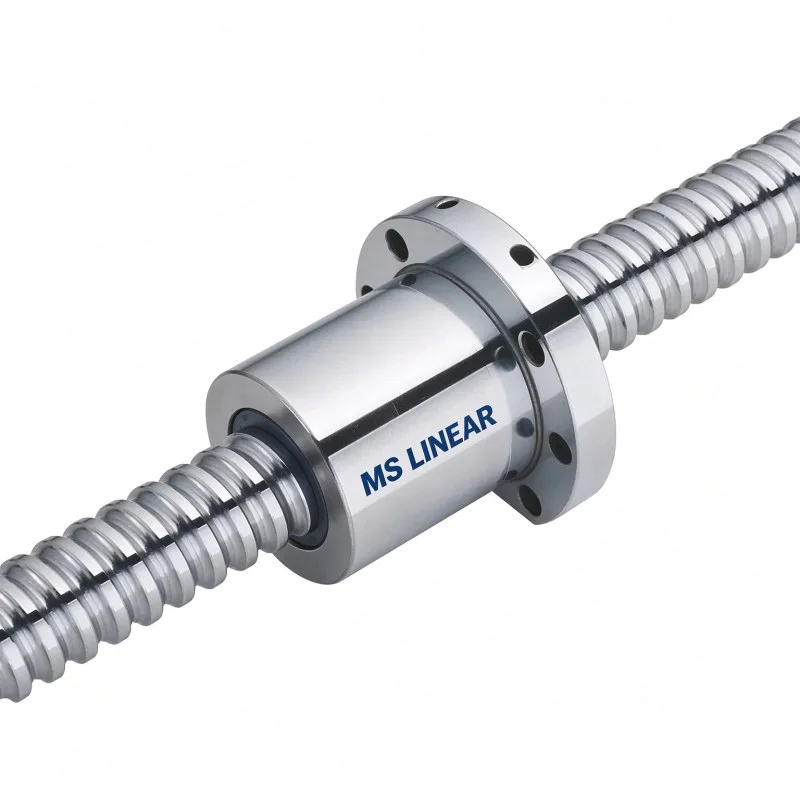
Super S Ball Screw
Low noise, lightweight design, high rotation speed and high acceleration/deceleration.
View modelSelection notes
Three things worth settling before the drawing is frozen.
Plan rail joints before the order
A long rail is delivered in lengths. Where the joints land under the carriage stroke is a layout decision and should be on the drawing.
Dry running for battery areas
Where grease is not allowed, specify dry-lubricated carriages and a covered rail from the start; retrofitting a cover into a built line is expensive.
Shock load, then size
Give us the dropped mass and the drop height. A body landing on a shuttle can exceed the static rating several times over.
Questions that come up
Can you supply rails longer than 4 m?
Long rails are supplied in jointed lengths to the drawing. Joint positions and the mounting surface spec are agreed before production so the carriage never crosses a joint under load.
Do you have dry-running carriages for battery lines?
Yes. Dry-lubricated carriages and covered rails are available for areas where grease is excluded; the cover is specified with the rail, not added later.
What holds a loaded lift with the power off?
A screw axis with the right lead holds position when the brake engages. Belt axes need a separate brake or counterweight.
Can the same rail run in a paint line?
Solvent and overspray need sealed carriages and stainless or coated rails. That is a different build from the dry battery version.
Buying Automotive Motion Components from China
is Your Best Choice!
Factory-direct quality and worldwide shipping — standard parts leave the factory in 3–10 days, custom strokes and leads in 15–20 days (2–3 weeks). Send your drawing or the original part number and get a quotation within 24 hours.


Cookie preferences
Choose which categories this site may use. Necessary cookies cannot be switched off.